How do countries define and tax wealth?
Research across borders
A student perspective on global inequality.
The International Student Panel on Inequality brings together young researchers from around the world to examine how inequality is measured, experienced, and addressed.
12Country Fellows
Represented across
🇺🇸 United States🇧🇷 Brazil🇨🇦 Canada🇫🇷 France🇮🇹 Italy🇮🇳 India🇨🇳 China🇵🇪 Peru🇨🇴 Colombia🇰🇷 South Korea
Why ISPI
Inequality is global. Its study should be, too.
ISPI is an independent, student-led initiative inspired by the proposed International Panel on Inequality. We connect students across countries to compare perspectives, identify gaps in existing research, and produce careful, policy-relevant analysis.
The proposed IPI was recommended by the G20 Extraordinary Committee of Independent Experts on Global Inequality, chaired by Nobel laureate economist Joseph Stiglitz and modeled on the Intergovernmental Panel on Climate Change.
ISPI is independent and is not formally affiliated with or authorized by the proposed IPI, the G20, or the United Nations.
Read our Terms of Reference ↗Current research
Wealth taxation and inequality
Our first working paper will compare approaches to taxing wealth across countries and ask whether—and under what conditions—these policies can meaningfully reduce inequality.
What tradeoffs appear in implementation?
How could resulting revenue be used?
What evidence links these policies to reduced inequality?
Our people
Country Fellows
Students contributing perspectives shaped by their countries, disciplines, and communities.
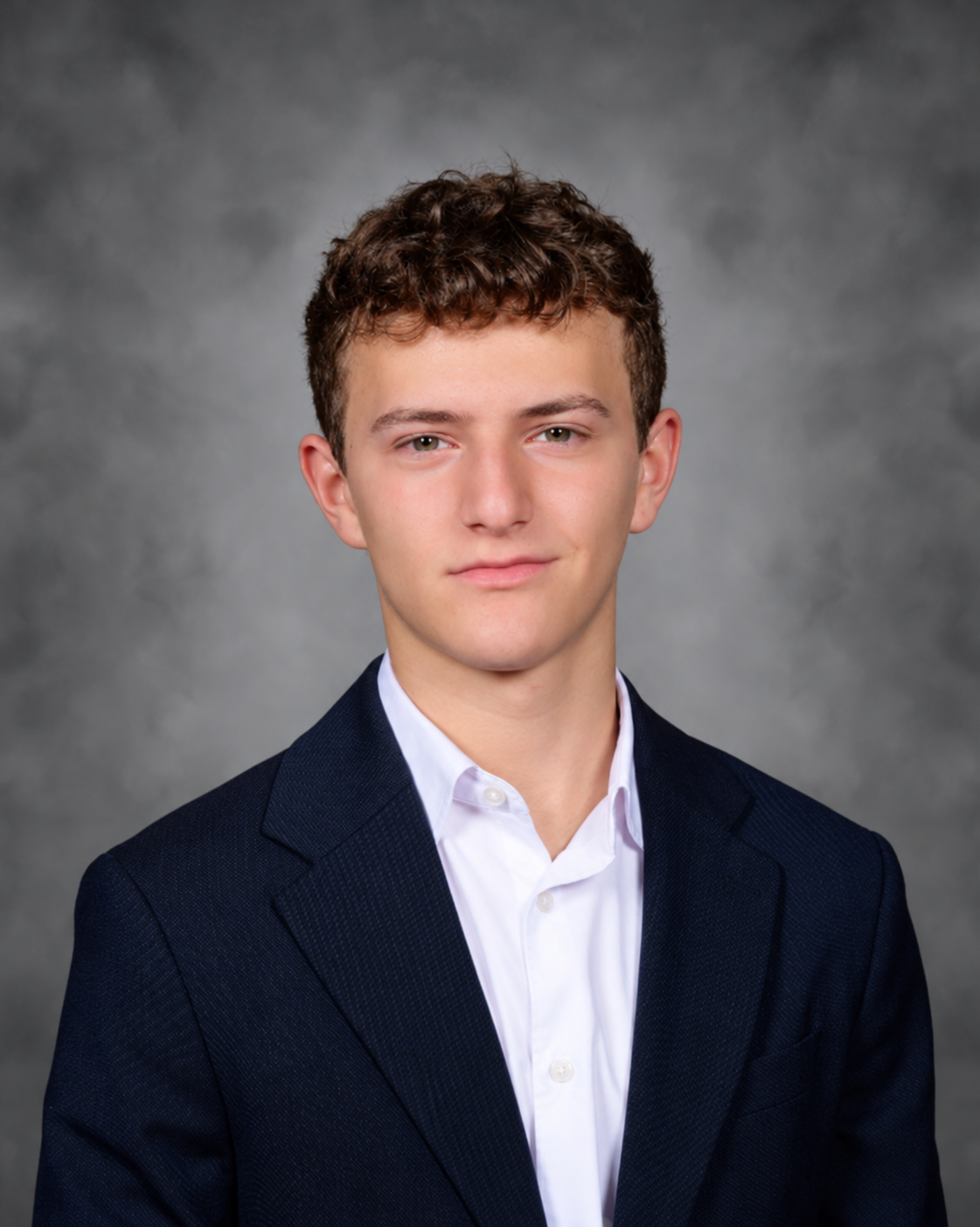
🇺🇸 United StatesFounding Executive Director
William Pereira
William Pereira is a senior at Manhasset High School interested in economics, public policy, and inequality. He founded Earned Income Tax Credit Access, an IRS-certified Volunteer Income Tax Assistance site providing free tax preparation to low-income households. His writing received a Very High Commendation in Public Policy and a Commendation in International Relations from the John Locke Institute, and his economics essay was shortlisted for Cambridge’s Sidgwick Prize. He is also a Coca-Cola Scholarship semifinalist and studies oboe at Juilliard Pre-College.
NN
🇧🇷 Brazil
Naomi Nakamura
TBD
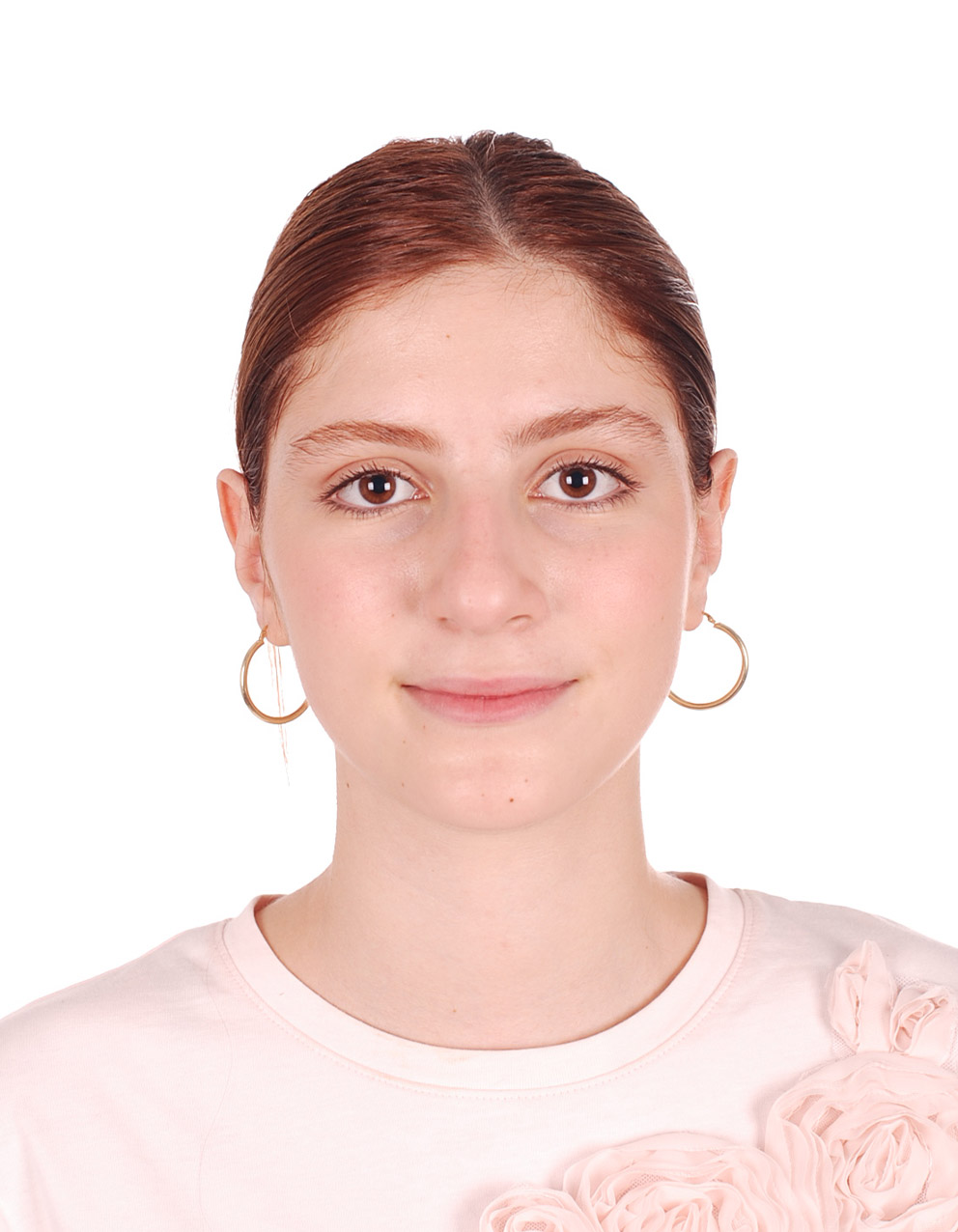
🇨🇦 Canada
Nour Sabah Zarrad
Nour is a biomedical engineering student at Boston University interested in biomaterials, medical-device innovation, and the intersection of science, public policy, and global health. Her interest in inequality stems from how unequal access to healthcare technology affects outcomes in underserved communities. Through ISPI, she hopes to examine how technological innovation, healthcare accessibility, and public policy can work together to reduce global inequalities.
MZ
🇫🇷 France
Myriam Zarrad
TBD
DR
🇮🇹 Italy
Daisy Rosa Rana
TBD
LG
🇮🇳 India
Lyla George
TBD
MM
🇧🇷 Brazil
Matheus Fernandes Marques
Matheus is a student from Belo Horizonte, Brazil. Attending his city’s Military School introduced him to students from across Brazil and broadened his perspective through Model UN, research, and athletics. His interest in inequality began by questioning why he had access to academic opportunities across Brazil and the United States that many others did not. He is particularly interested in economics, inequality of opportunity, and how expanding access can contribute to societal development.
CH
🇨🇳 China
Coco He
TBD
IA
🇵🇪 Peru · 🇧🇷 Brazil
Iasmim Arce de Oliveira
TBD
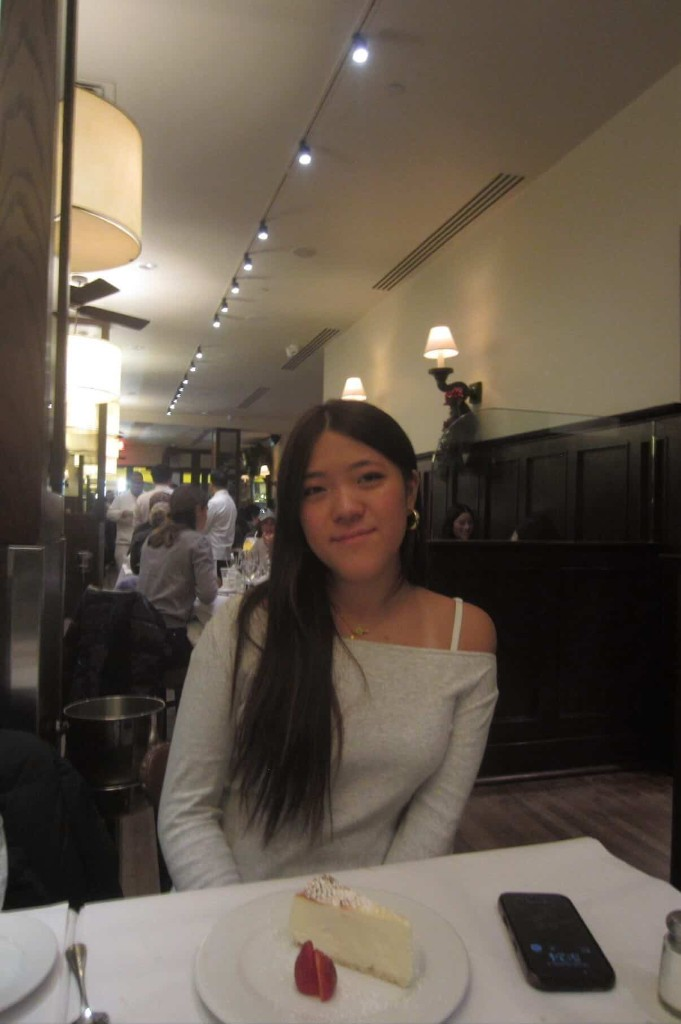
🇨🇳 China · 🇺🇸 United States
Tiffany Chen
Tiffany Chen is a senior at Manhasset High School with longstanding interests in debate and tennis. During nearly seven years of debate, she placed first in public speaking at the ADL Tri-State Championships and spent more than 50 hours judging and providing constructive feedback to younger debaters. She has also served as captain of her varsity tennis team and developed social-media content that received more than 50,000 views.
EF
🇨🇴 Colombia
Emma Ferrone-Mejia
TBD
🇰🇷 South Korea
William Song
William Song is a student at Cresskill High School in New Jersey with strong interests in mathematics, business, and economics. He explored entrepreneurship through Columbia University’s Pre-College Program and founded Bridge Tutors, a local nonprofit tutoring organization dedicated to helping students succeed academically. Through ISPI, he hopes to investigate how business and economic policy can create meaningful change and expand access to opportunity.
Advisory Council
Faculty Advisory Role
ISPI is assembling a council of economists and other experts who may offer guidance on research questions and methods. Council members will not be responsible for ISPI’s operations, and membership will not imply endorsement of any publication.
Council in formationUpdates
News
Dispatches forthcoming
Research updates, publication announcements, and media coverage will appear here.
Get in touch
Interested in our work?
We welcome questions from students, researchers, educators, and members of the media.